Vitamin C Vitamin C is an antioxidant that boosts immunity, by encouraging production of white blood cells while supporting them to function more effectively. Vitamin C also strengthens the skins barriers, our skin is our first line of defense against infection. Vitamin C deficiency has been linked to poor health outcomes. …
We are growing into a new space! Starting on March 2, 2020 we will be in our new office in Middletown Manor: 12211 Old Shellbyville Rd, Ste C. Louisville KY 40243.
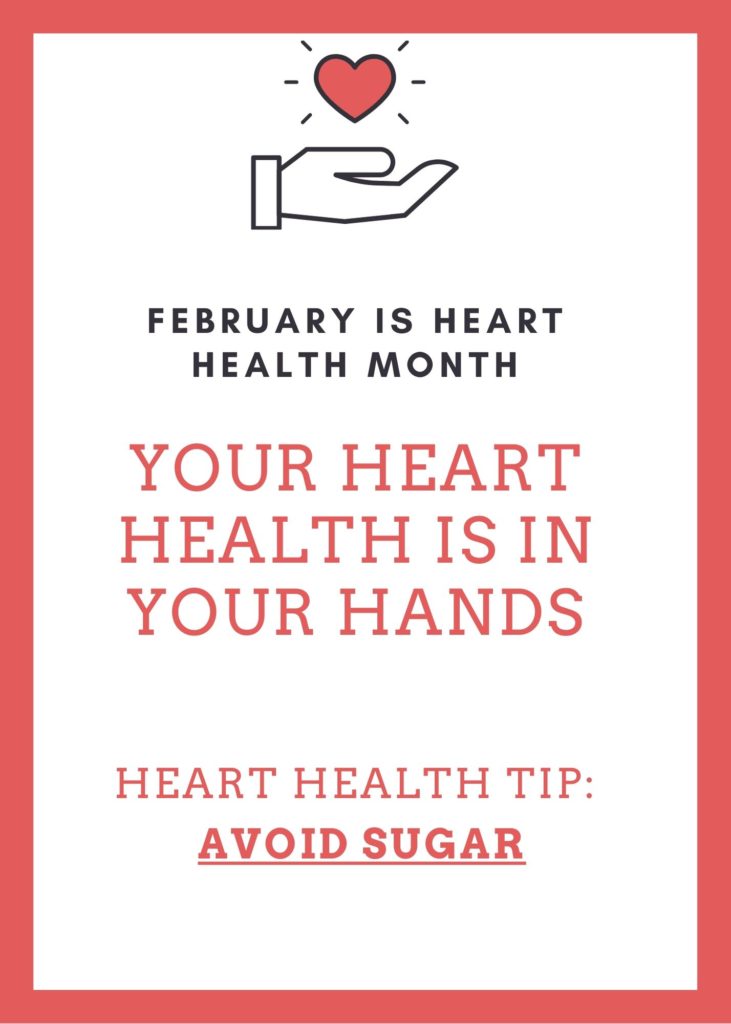
Consuming too much sugar can be one of the greatest threats to your heart health. According to a Harvard Study published in the JAMA Internal Medicine 2014: “The effects of added sugar intake — higher blood pressure, inflammation, weight gain, diabetes, and fatty liver disease — are all linked to an increased risk for heart attack and stroke. In fact, they found an association between a high sugar diet and a greater risk of dying from heart disease.
~ Sugar reduces good cholesterol (HDL) and promotes bad cholesterol (LDL)
~ Sugar increases triglycerides
~ Sugar causes obesity
~ Excessive sugar consumption causes chronic inflammation in the body which can lead to heart disease
Tips for decreasing added sugar in the diet:
~ Avoid processed and refined foods
~ Opt for whole foods, include fresh veggies and fruits. 5-7 servings of veggies is recommended. If you are trying to loose weight or have blood sugar issues keep fruit consumption to 1/2 cup or less per day.
Use natural sweeteners in moderation: raw honey, maple syrup, maple sugar or dates. Coconut palm sugar and liquid stevia are options that produce less of a blood sugar spike.
~ Ditch the sugar sweetened beverages (sodas, sweet tea etc) they are the number one source of added sugars in the American Diet.
~ Become a Label Detective: Make sure that sugar or one of its other names does not appear in the top 3 ingredients (5 is even better)
~Sugar is listed on the labels in grams – 4g’s of sugar = 1 tsp. Stay at 5g sugar or less per serving and 20-25g or less per day
~Try to avoid foods that contain more than 5 ingredients ~~ Don’t eat foods that say low or no fat, these contain more sugar than their full fat counterparts
~Avoid white flour and processed grains
We would love to support you on your wellness journey.
References: https://www.health.harvard.edu/heart-health/the-sweet-danger-of-sugar , Nancy Appleton “Reasons Sugar Ruins Your Health”
There is an old saying that curiosity killed the cat…such a negative connotation BUT curiosity has benefits. Lets take for example becoming curious about your health, this could be a great way to make 2020 your healthiest year yet. Become curious about your health. Curious …
In my practice I see many people with sensitivities to MSG – Mono Sodium Glutamic Acid. MSG is a neurotoxin and has been linked to many health problems including blood sugar issues, fibromyalgia, neurological and brain health issues, disruptions in gut-brain connection, fatty liver, obesity, metabolic …
Maintaining stable blood sugar is not
only for those with Diabetes, Pre-Diabetes, Insulin Resistance or
Metabolic Syndrome it is important for all of us. Blood sugar levels
impact: weight, food cravings, energy, mood, brain function and the
impact stress can have on our bodies. Here is a quick list of some
nutrients and foods they are found in that can help you manage your
blood sugars naturally. Remember to try to choose whole foods from a
wide variety of sources to help meet the nutritional needs of your
body.
Nutrients for Blood Sugar Control: Inositol, Magnesium, Vitamin E, EPA, DHA, Vandium, Chromium and Lipoic Acid.
Inositol (B8) is a sugar that plays many roles in our bodies: it is a component of cell membranes and influences the action of insulin as well as brain chemicals serotonin (think mood, sleep, memory, appetite, social behavior) and dopamine (think emotion, cognition, behavior). Found in beans, nuts, fresh veggies and fruits as well as whole grains.
Magnesium: green leafy veggies including but not limited to spinach, romaine lettuce, swiss chard, beet greens, turnip greens. Summer squash, sesame seeds, quinoa, cashews, pumpkin seeds, almonds, dark chocolate (over 70%), avocado, beans (green, black, pinto, lima), brown rice, tomatoes, asparagus, Brussels sprouts, celery, cauliflower, cucumber.
Lipoic Acid: found in small amounts in spinach, broccoli, potatoes, yams, tomatoes, brussels sprouts, carrots, beets, rice bran, red meat.
EPA/DHA: fatty fish (cold water wild caught) salmon, makeral, oysters, sardines, trout, sea bass, shrimp. Plant sources such as nuts (walnuts), seeds (chia, hemp, flax), kidney beans, seaweed & algae.
Chromium: found in small amounts in every food group including: fruits, veggies, grains, legumes, nut/seeds, seafood, meats and dairy healthy diet is required for adequate amounts. Found in broccoli, green beans, tomatoes, romaine lettuce, black pepper, barley, oats, brewers yeast.
We would love to be part of your wellness journey. Call today (502) 209-7955
Did you know the EWG (Environmental Working Group) releases a list of the “cleanest” and “dirtiest” produce each year? This list is called the Dirty Dozen & Clean 15 — and it is absolutely helpful to know when buying your fruits and veggies. The gist …
It won’t be fine. Don’t ignore your body’s check engine light. I like to think of a symptom as the check engine light for the body. If your check engine light in the car comes on you don’t cover the light with electrical tape and keep …
Whether it be emotionally charged, out of boredom, or pure mindlessness while at the table — overeating is something we’ve all done at some point.
Our culture tends to overeat in general with larger portions than ever, but you’d be surprised how much smaller of a portion you can eat and feel satisfied. Somewhere along the way, we’ve been programmed to eat until we are full, instead of eating enough to satisfy our hunger and return to neutral.
Whatever reason it may be to you, there are some simple tricks you can use on a daily basis to make sure you’re more mindful of your consumption and keep things at a healthy level.
Some of my favorite tricks are…
1. Drink more water
This may sound like a no-brainer, but the majority of people just do not drink adequate amounts of water. Dehydration accounts for countless ailments and symptoms we encounter on a regular basis, and you may not even be thinking your water intake is related. For example, hunger and cravings and fatigue are often dispelled by drinking a tall glass of water and chronic headaches can be a sign of dehydration. So whether it be getting a smart water bottle that’ll remind you to drink enough water, using a water intake app, or keeping your bottle by your side throughout the day — do whatever is necessary to stay properly hydrated. You’ll find your cravings dissipating, and you’ll be less likely to overeat. A great way to start your day with with a tall glass of lemon water.
2. Don’t eat while distracted
Whether it’s in front of the TV or while playing with your phone on your lunch break, distracted eating can cause you to eat more than you were planning to eat. Even if you only have a limited portion in front of you, you won’t feel satisfied when you’re done, making you more likely to grab something unhealthy to “fill” you up the rest of the way. Be mindful when you eat, and you’ll find that satisfaction. Make meals an event, take time to sit down, enjoy your meal and connect with family and friends.
3. Write it all down
Sometimes, we’re unaware that we’re overeating, which is even worse. Keep a food journal with you and jot down every little thing you eat, even if it seems minuscule or unimportant. It also helps to note how you’re feeling so you can correct behaviors once you spot a pattern.
4. Focus on your portions
Instead of putting all the food on the table for the whole family to grab, portion it out, at least for yourself. You should have a well-rounded meal with plant-based items taking up the majority of it, followed by a lean protein, and then a healthy carb. Choose a smaller plate too so you’ll trick yourself into thinking you’re eating a more significant portion. If you still feel hungry after eating your plateful, take more vegetables.
5. Take it home
And finally, I can’t forget a tip about restaurants. Even with healthy lifestyles, there will be times you go out to eat with friends or family. Don’t order some plain salad that you’re not excited about, a healthy lifestyle doesn’t have to be bland or boring. Make a healthy choice and ask your server to box up half the order from the start or see if someone is willing to split the portion with you. If not, you’ll have another perfect portion for tomorrow, which will make you look forward to lunch! Ordering a healthy appetizer and pairing it with a side salad is another great way not to overeat, but still, leave satisfied.
These little things make a big difference in keeping you from overeating, and they’re so simple to do, they’re effortless. Remember
We would love to support you on your wellness journey.
One of my favorite quotes is by Michael Pollen: “Eat food, not too much, mostly plants.” The first two words of this quote are super-important and sometimes super difficult if you are eating the Standard American Diet (SAD). Eat food – Real Food: Vegetables, fruits, …